South Denver Metro Area Real Estate News & Market Trends

You’ll find my blog to be a wealth of information, covering everything from local market statistics and home values to community happenings. That’s because I care about the community and want to help you find your place in it. Please reach out if you have any questions at all. I’d love to talk with you!

July 24, 2026

Why Your Home’s First Price May Be Its Most Important

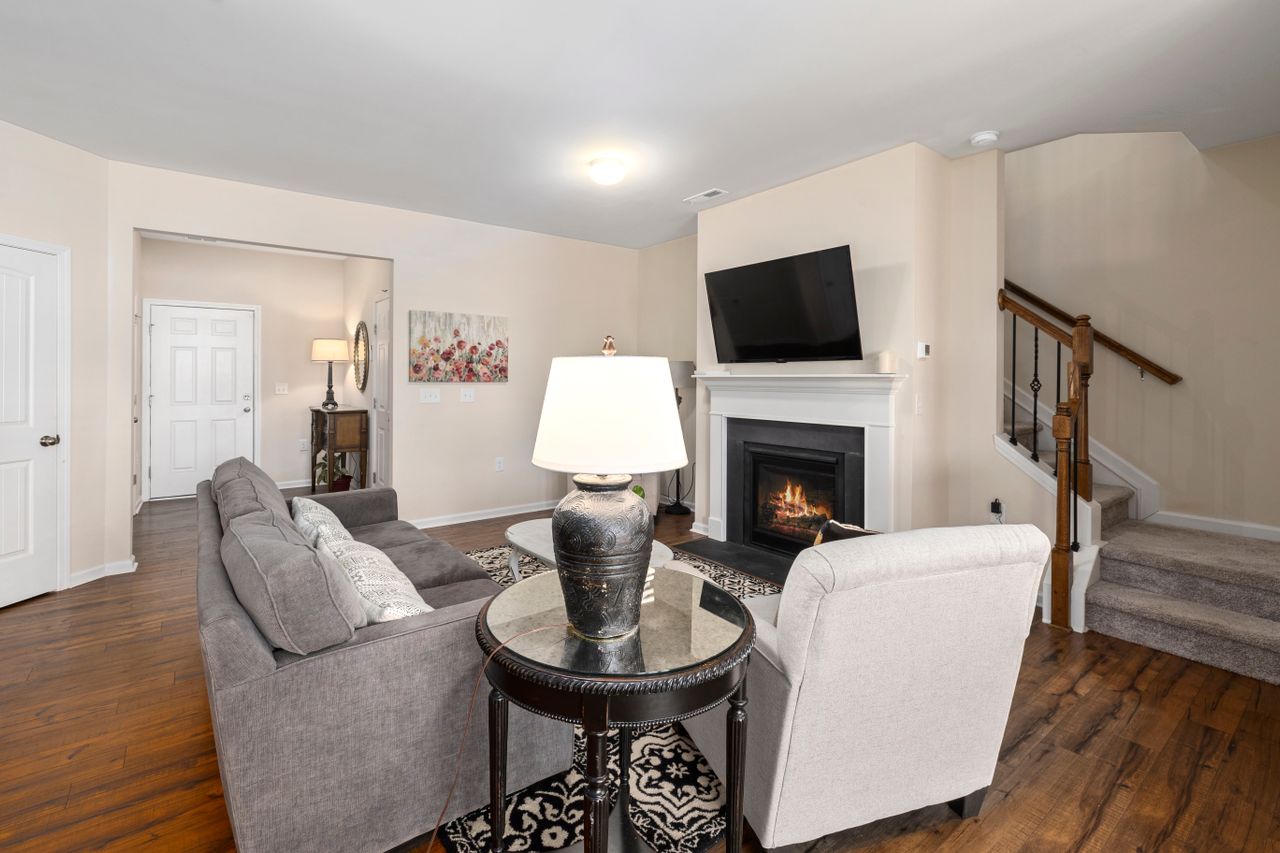
well-staged living room

When preparing to sell a home, it’s natural to want the highest possible price. Your home may represent years of mortgage payments, improvements, maintenance, and memories. You want to protect that investment—and you should.

But starting with an overly ambitious asking price rarely leads to a higher final sale price. In many cases, it does the opposite.

A home’s strongest opportunity to attract serious buyers usually comes immediately after it hits the market. Pricing strategically from the beginning can help sellers take advantage of that early attention, generate demand and maintain more leverage throughout the transaction.

New Listings Get the Most Attention

Motivated buyers watch the market closely. Many receive automatic alerts whenever a property matching their preferred location, price range and features becomes available.

That means a new listing may immediately appear in front of buyers who have been waiting for the right home. Their agents are watching, too, and comparing newly listed properties with other available options.

During those first days, the home is fresh. Buyers haven’t seen it repeatedly in their searches, and they aren’t yet wondering why it hasn’t sold. That early interest can translate into more showings, stronger offers and, under the right circumstances, competition among buyers.

However, that opportunity can be difficult to recreate later.

What Happens When a Home Is Overpriced?

When a home enters the market at a price buyers don’t believe is supported by its condition, features, or comparable sales, they may simply pass it by.

Some sellers assume buyers will submit a lower offer and begin negotiating. But many buyers never make it that far. They may decide the seller is unrealistic, eliminate the property from consideration, or choose a competing home that appears to offer a better value.

As the listing sits, showing activity often begins to slow. A price reduction may eventually follow, but by then, the home is no longer new to the market.

Even after the price reaches a more competitive level, buyers may begin asking questions:

  • Why hasn’t the home sold?
  • Is there a problem that isn’t visible in the listing?
  • Did another buyer back out?
  • Is the seller becoming desperate?
  • How much lower might the seller be willing to go?

The longer a home remains available, the more negotiating leverage may shift toward the buyer.

Strategic Pricing Isn’t the Same as Underpricing

Sellers are sometimes concerned that a real estate professional recommending a lower initial price is suggesting that they leave money on the table. But strategic pricing isn’t about choosing the lowest possible number. It’s about positioning the home where the market is most likely to respond.

The right asking price should reflect several factors, including:

  • Recent sales of comparable homes
  • Current competing listings
  • The home’s location, condition and improvements
  • Buyer demand within its particular price range
  • Current interest rates and broader market conditions
  • How quickly similar homes are selling

Online estimates can provide a starting point, but they can’t fully account for the details that make one property more—or less—appealing than another. Two homes in the same neighborhood may have very different values based on updates, lot location, layout, maintenance, and overall presentation.

A thoughtful pricing strategy considers both the data and the way real buyers are likely to perceive the home.

Pricing Can Create Demand—and Protect Your Leverage

A well-positioned home is more likely to attract showings early, when buyer attention is strongest. Increased interest can give the seller more options and create a stronger negotiating position.

That doesn’t necessarily mean multiple offers or a bidding war. It may simply mean attracting a qualified buyer sooner, before the listing accumulates unnecessary days on market or requires repeated price reductions.

Strong early activity can also provide useful feedback. If a competitively priced home is receiving showings but no offers, the seller and agent can evaluate whether condition, presentation, or another factor may be affecting buyer interest. If the home receives little attention at all, the market may be signaling that the price needs to be reconsidered.

The goal is to respond to the market thoughtfully—without spending weeks chasing it downward.

Start With a Strategy, Not a Wish

There is nothing wrong with hoping your home sells for top dollar. The key is developing a strategy that gives you the best chance of achieving that goal.

Before selecting an asking price, sellers should understand the competition, examine recent sales, and consider how their home will appear to buyers searching within specific price ranges. Professional photography, thoughtful preparation, and effective marketing all matter, but they cannot fully overcome a price that causes buyers to dismiss the home before scheduling a showing.

The first days on the market are valuable. Pricing strategically from day one can help create demand, protect your negotiating position, and avoid the long—and potentially expensive—road back from an inflated starting price.

If you’re thinking about selling your Colorado home this year, I’d be happy to help you develop a pricing and marketing strategy based on current conditions—not wishful thinking. Contact me to learn more about the exclusive services I offer to help position your home for a successful sale from the very beginning.


Posted in Selling Your Home
July 17, 2026

How Much Money Do You Really Need to Buy a Home in Colorado

young couple holding home sign in front of houseWhen preparing to buy a home, most people immediately think about the down payment. It is certainly an important part of the equation—but it is not the only upfront expense buyers should consider.

The good news is that you may not need a 20% down payment to purchase a home. Depending on the type of mortgage you qualify for, your financial situation, and available assistance programs, you may be able to buy with considerably less. However, understanding the complete cost of buying can help you prepare financially and avoid surprises along the way.

Your Down Payment

The amount you need for a down payment depends largely on your mortgage program. Although putting 20% down may allow you to avoid private mortgage insurance on a conventional loan, many buyers purchase homes with much smaller down payments.

Some conventional loans permit down payments as low as 3% for qualified borrowers, while Federal Housing Administration loans may offer lower down payment requirements to eligible buyers. Certain Department of Veterans Affairs and U.S. Department of Agriculture loans may not require a down payment at all for those who qualify.

Your lender can explain which programs may be available to you and how different down payment amounts could affect your monthly payment, interest rate and mortgage insurance costs.

Earnest Money

Once a seller accepts your offer, you will typically provide earnest money. This deposit demonstrates that you are serious about purchasing the property.

The amount varies based on the home, local market conditions, and the terms of your offer. Earnest money is generally held in escrow and later applied toward your down payment or closing costs. However, the contract specifies whether a refund is available if the transaction does not close.

Because earnest money may be due soon after your offer is accepted, it is important to have those funds readily available.

Home Inspection

A professional home inspection can help you better understand the property’s condition before completing the purchase. The inspector will examine the home’s major systems and components and identify issues that may require attention.

Depending on the property, you may also choose or be advised to arrange specialized inspections for concerns such as the sewer line, roof, radon, mold, or structural conditions.

Buyers generally pay inspection costs directly at the time the service is performed. While an inspection adds to your upfront expenses, the information it provides can be invaluable when making such a significant investment.

Appraisal

Most mortgage lenders require an appraisal to confirm that the home’s value supports the loan amount. The appraisal protects the lender, but it also helps the buyer avoid borrowing more than the property is worth.

The buyer usually pays the appraisal fee, although it may appear in the lender’s closing cost estimate. Your lender can tell you when payment will be due and how it will be handled.

Closing Costs and Prepaid Expenses

Closing costs are separate from your down payment and may include expenses related to your mortgage and the property transfer. These can include:

  • Loan origination and processing fees
  • Title-related charges
  • Appraisal and credit report fees
  • Recording fees
  • Homeowners insurance
  • Prepaid property taxes
  • Prepaid interest
  • Initial escrow deposits

Closing costs vary according to the purchase price, mortgage, property, and other factors. Your lender will provide estimates during the loan process so you can see what you are expected to pay.

In some transactions, buyers may negotiate for the seller to contribute toward allowable closing costs. However, whether that is possible depends on the market, the strength of the offer and the requirements of the loan program.

Moving and Immediate Homeownership Expenses

The financial planning should not stop at the closing table. Moving costs, utility deposits and immediate purchases can add up quickly. You may need appliances, window coverings, lawn equipment or basic repairs shortly after moving in.

It is also wise to maintain an emergency fund rather than putting every available dollar into the purchase. Once you own the home, you are responsible for unexpected repairs and ongoing maintenance.

A realistic buying budget should leave you with enough financial breathing room to enjoy your new home without immediately feeling stretched.

You May Have More Options Than You Realize

Colorado buyers may have access to down payment or closing-cost assistance through state, local or lender-specific programs. Eligibility requirements vary, and assistance may come with conditions, so it is important to review the details with a qualified lender.

Even if you are not ready to buy immediately, speaking with a lender early can be helpful. You can learn how much you may qualify to borrow, estimate the cash you will need, and identify any steps that could strengthen your finances before you begin shopping.

Start With a Plan

There is no single dollar amount that every Colorado buyer needs. The total depends on the home, mortgage program, down payment, closing costs, and other details of the transaction.

The best place to start is with a knowledgeable lender and a real estate professional who can help you understand the process. With accurate information and a realistic plan, buying a home may be closer than you think.

Are you considering buying a home in the South Metro Denver area? Contact me to discuss your goals and take the first step toward finding the right home.


Posted in Buying a Home
June 22, 2026

What Credit Score Do You Need to Buy a Home in Colorado?

If you’re thinking about buying a home, you may be wondering whether your credit score is high enough to qualify for a mortgage. The good news? You don’t need a perfect credit score to become a homeowner.

While your credit score plays an important role in the homebuying process, there are loan programs available for a wide range of borrowers. Understanding how lenders use credit scores can help you prepare and improve your chances of securing favorable financing.

Why Your Credit Score Matters

Your credit score gives lenders an indication of how you’ve managed debt in the past. It helps them assess the risk of lending money and influences several aspects of your mortgage, including:

  • Whether you qualify for a loan 
  • The interest rate you’re offered 
  • Your monthly mortgage payment 
  • Potential loan options available to you 

In general, higher credit scores can lead to lower interest rates, which may save you thousands of dollars over the life of a mortgage.

Minimum Credit Score Requirements

Different loan programs have different credit score requirements. While lenders may set their own standards, these are some common guidelines:

  • Conventional loans—Conventional loans typically require a minimum credit score of around 620. Borrowers with scores above 740 often qualify for the most competitive interest rates.
  • FHA Loans—FHA loans are designed to help buyers with lower credit scores and smaller down payments. In many cases, borrowers may qualify with a credit score as low as 580. Some lenders may allow lower scores under certain circumstances, although additional requirements may apply.
  • VA loans—VA loans, available to eligible veterans and active-duty service members, do not have a government-mandated minimum credit score. However, many lenders prefer scores of at least 620.
  • USDA loans—USDA loans, which are available in certain rural areas, often require a credit score of 640 or higher for streamlined approval.

What If Your Credit Score Needs Improvement?

If your score isn’t where you’d like it to be, don’t assume homeownership is out of reach. There are several ways to improve your credit profile:

  • Pay bills on time every month 
  • Reduce credit card balances 
  • Avoid opening new credit accounts before applying for a mortgage 
  • Check your credit report for errors 
  • Keep older accounts open to maintain your credit history 

Even small improvements can make a meaningful difference in your financing options.

Credit Score Isn’t the Only Factor

Many buyers focus solely on their credit score, but lenders consider much more than that. They’ll also review:

  • Income and employment history 
  • Debt-to-income ratio 
  • Down payment amount 
  • Savings and reserves 
  • Overall financial stability 

It’s possible to have a less-than-perfect credit score and still qualify for a mortgage if the rest of your financial picture is strong.

The Best First Step? Talk to a Lender

One of the biggest misconceptions among homebuyers is that they need to hit a specific credit score before speaking with a lender. In reality, a lender can often help you understand your options and identify steps that may strengthen your application.

Whether you’re ready to buy now or planning for the future, getting professional guidance can help you create a realistic path toward homeownership.

Ready to Start Your Home Search?

If you’re considering buying a home in Parker, Castle Rock, Highlands Ranch, Lone Tree, or anywhere in the South Metro Denver area, I’d be happy to help you navigate the process. Contact me today to discuss your goals, connect with trusted local lenders, and take the next step toward finding your Colorado home!


Posted in Selling Your Home
June 8, 2026

5 Mistakes Sellers Make Before Listing Their Home

Selling a home is one of the largest financial transactions most people will ever make. Yet many homeowners unknowingly make mistakes before their property even hits the market—mistakes that can lead to fewer showings, lower offers, and a longer time on the market.

The good news? Most of these issues are avoidable with the right preparation and guidance.

Mistake #1: Overpricing the Home

It’s understandable to want to maximize your profit, but pricing a home too high can actually cost you money in the long run.

Today’s buyers have access to more information than ever before. If a home is priced above market value, buyers may skip it altogether in favor of more competitively priced properties. Homes that linger on the market often develop a stigma, causing buyers to wonder if something is wrong with the property.

A well-priced home attracts more interest, generates stronger competition, and often results in a better final sales price.

Mistake #2: Ignoring Small Repairs

That dripping faucet, loose handrail, or damaged piece of trim may seem minor, but buyers notice these details.

Small maintenance issues can create the impression that larger problems may exist behind the scenes. Before listing, it’s worth addressing obvious repairs and deferred maintenance items. A few inexpensive fixes can go a long way toward creating buyer confidence.

Mistake #3: Skipping the Decluttering Process

Buyers want to envision themselves living in the home. That becomes more difficult when rooms are filled with excess furniture, personal items, or overflowing storage areas.

Decluttering helps rooms feel larger, brighter, and more inviting. It also allows buyers to focus on the home’s features rather than its contents.

A good rule of thumb is to remove anything you don’t use regularly and store personal collections, family photos, and excess decor before showings begin.

Mistake #4: Neglecting Curb Appeal

First impressions matter.

Many buyers form an opinion of a home before they ever step through the front door. Overgrown landscaping, peeling paint, cluttered porches, or neglected flower beds can turn buyers away before they even schedule a showing.

Simple improvements such as fresh mulch, trimmed shrubs, clean walkways, and a welcoming front entry can make a significant difference.

Mistake #5: Waiting Too Long to Talk to a Realtor

One of the most common mistakes sellers make is waiting until they’re ready to list before seeking professional advice.

Meeting with a Realtor early in the process allows you to create a strategy for pricing, preparation, marketing, and timing. You can identify which improvements are worth making—and which ones may not provide a meaningful return on investment.

In many cases, a short consultation months before listing can save sellers time, money, and stress later on.

The Bottom Line

Successful home sales rarely happen by accident. They are usually the result of thoughtful preparation, smart pricing, and a clear marketing strategy.

If you’re considering selling your home in South Metro Denver, Castle Rock, Parker, Elizabeth or the surrounding areas, I’d be happy to provide a no-obligation consultation and help you determine the best steps to prepare your home for today’s market. Call me today!


Posted in Selling Your Home
June 2, 2026

Why Some Homes Sell in Days While Others Sit on the Market

real estate sold signMost homeowners know that some properties seem to sell almost immediately while others remain listed for weeks—or even months. It’s easy to assume the difference comes down to luck, but in reality, several factors influence how quickly a home sells. Understanding these factors can help sellers make informed decisions and position their homes for success from day one.

Pricing Still Matters Most

Even in a competitive market, buyers are highly informed. They compare listings online, monitor price reductions, and often know the local market surprisingly well before scheduling a showing. When a home is priced appropriately from the start, it typically attracts more interest and more showings. Increased buyer activity can create competition, which may lead to stronger offers.

On the other hand, an overpriced home can cause buyers to scroll past the listing altogether. The longer a property remains on the market, the more buyers begin to wonder whether something is wrong with it—even when there isn’t.

The first few weeks of a listing are often the most important, making initial pricing strategy critical.

First Impressions Happen Online

For most buyers, the home search begins online. Professional photography, compelling descriptions, and a well-presented listing can dramatically impact buyer interest. Before stepping through the front door, buyers are already forming opinions based on what they see online. Homes with dark photos, cluttered rooms, or limited listing information may receive fewer showing requests, regardless of their actual condition. Today’s buyers expect to see clear, bright images that help them envision themselves living in the space.

Condition Influences Buyer Confidence

Most buyers understand that no home is perfect. However, visible maintenance issues can raise concerns about what is not visible. Simple improvements often make a significant difference. Consider the following:

·        Fresh paint

·        Clean carpets and flooring

·        Updated lighting

·        Minor repairs

·        Well-maintained landscaping

A clean, cared-for home signals pride of ownership and helps buyers feel more confident about making an offer.

Location Still Plays a Major Role

Real estate professionals often say that location is the one thing a homeowner cannot change—and it’s true. Proximity to parks, schools, shopping, dining, major employers, and recreation can significantly influence buyer demand. Homes in desirable neighborhoods often attract greater interest simply because buyers are targeting those areas.

While sellers cannot change their location, effective marketing can highlight nearby amenities and lifestyle benefits that appeal to prospective buyers.

Marketing Makes a Difference

Simply placing a home in the MLS is no longer enough. Effective marketing may include:

·        Professional photography

·        Social media promotion

·        Email marketing

·        Video tours

·        Open houses

·        Targeted online advertising

The goal is simple: Expose the property to as many qualified buyers as possible. The more visibility a home receives, the greater the opportunity to generate showings and offers.

Timing Can Help, But It’s Not Everything

Many people assume there is a perfect time to sell. While seasonality can influence buyer activity, homes sell successfully year-round. Factors such as inventory levels, interest rates, local demand, and property condition often matter more than the month listed on the calendar. Rather than trying to predict the market perfectly, sellers are usually better served by preparing their home properly and developing a strong pricing and marketing strategy.

The Bottom Line

Homes that sell quickly typically have several things in common: realistic pricing, strong presentation, effective marketing, and a strategy tailored to current market conditions. Every property is unique, and every market is different. Understanding what buyers are looking for and how your home compares to competing listings can make all the difference when it’s time to sell.

If you’re considering selling and would like a personalized assessment of your home’s market position, I’d be happy to help you develop a strategy designed to attract buyers and maximize your results. Contact me today!


Posted in Market Updates
May 7, 2026

How to Price Your Home to Sell (Without Leaving Money on the Table)

suburban neighborhoodIf you’re thinking about selling your home, pricing it correctly from the start is one of the most important decisions you’ll make. Price too high, and your home may sit on the market. Price too low, and you risk missing out on potential profit.

The goal isn’t just to pick a number. The goal is to position your home strategically so it attracts serious buyers and strong offers.

Why Pricing Matters More Than Ever

Today’s buyers are informed. They’re watching the market closely, comparing homes online, and often working with agents who guide them on value. That means pricing your home correctly from day one can:

·        Generate more interest and showings

·        Encourage competitive offers

·        Reduce time on market

·        Help you avoid price reductions later

Homes that linger on the market often raise red flags for buyers, even if nothing is actually wrong with the property.

The Risk of Overpricing

It’s natural to want to aim high—but overpricing can backfire. When a home is priced above market value:

·        Fewer buyers will schedule showings

·        It may sit longer than comparable homes

·        Buyers may assume there’s something wrong with it

·        You may end up reducing the price later (sometimes below where you should have started)

The first few weeks on the market are when your home gets the most attention. If it’s not priced right during that window, you can lose valuable momentum.

What Actually Determines Your Home’s Value

Pricing isn’t based on guesswork; it’s based on data and local market conditions. Key factors include:

·        Recent comparable sales (comps) in your area

·        Current competition (homes actively for sale)

·        Market trends (buyer demand, inventory levels, interest rates)

·        Condition and upgrades in your home

·        Location and neighborhood desirability

Even small differences, like updated kitchens, lot size, or layout, can impact pricing more than many sellers expect.

The Strategy Behind Smart Pricing

The best pricing strategy aligns with how buyers search and behave. A well-priced home can:

·        Attract multiple buyers quickly

·        Create a sense of urgency

·        Potentially lead to multiple offers

·        Drive the final sale price higher than expected

In some cases, pricing slightly below market value can actually generate stronger results by increasing competition.

Why Working With the Right Agent Matters

Pricing is about more than just numbers. Instead, it’s about strategy, timing, and local expertise. A knowledgeable agent will:

·        Analyze comparable sales in detail

·        Understand current buyer behavior in your area

·        Recommend a pricing strategy tailored to your goals

·        Adjust the approach if market conditions shift

Having someone who knows your local market really makes a difference.

Thinking About Selling?

If you’re curious what your home might be worth in today’s market, or if you’re considering selling in the next few months, I’d be happy to help you take the next step. Reach out anytime for a no-pressure home value estimate and a strategy that works for you.

Posted in Selling Your Home
April 29, 2026

5 Things to Do Before You List Your Home

woman cleaning home


Thinking about selling your home?

Before you put it on the market, a little preparation can go a long way. The right steps upfront can help your home show better, attract more buyers, and potentially lead to stronger offers.

This doesn’t mean you need a full renovation—but focusing on a few key areas can make a meaningful difference. Here are five things to do before you list your home.

1. Declutter and Simplify Your Space

One of the most important things you can do is remove excess items and create a clean, open feel.

Buyers want to picture themselves living in your home—not feel like they’re walking through someone else’s life. Clearing countertops, minimizing decor, and organizing closets can make rooms feel larger and more inviting.

Even small changes can have a big impact.

2. Take Care of Minor Repairs

Small issues can stand out to buyers more than you might expect.

Loose handles, chipped paint, squeaky doors, or dripping faucets can give the impression that the home hasn’t been well-maintained. Taking care of these minor repairs ahead of time helps present your home as move-in ready.

It also reduces the likelihood of surprises during inspections.

3. Focus on First Impressions

Curb appeal matters; buyers start forming opinions before they even walk through the door.

Simple updates like fresh mulch, trimmed landscaping, a clean entryway, and a well-maintained front door can instantly improve how your home is perceived.

You don’t need a major overhaul—just a clean, welcoming look.

4. Deep Clean Everything

A clean home signals that it has been well cared for. And I am talking more than just everyday tidying. Pay attention to baseboards, windows, bathrooms, kitchens, and flooring. If needed, consider bringing in a professional cleaning service before listing.

A spotless home photographs better and makes a stronger impression during showings.

5. Talk to a Local Expert Before You List

Before making big decisions, it helps to have a clear strategy. Pricing, timing, and preparation all play a role in how your home performs on the market. A local real estate professional can help you prioritize what’s worth doing—and what’s not—based on current market conditions.

This can save you time, money, and unnecessary stress.

The Bottom Line

Preparing your home for sale doesn’t have to be overwhelming. Focusing on a few key areas—decluttering, minor repairs, cleaning, and presentation—can help your home stand out and attract the right buyers.

If you’re thinking about selling in South Metro Denver, I’m happy to help you create a plan that fits your home and your timeline.


April 15, 2026

Is Now a Good Time to Buy a Home in South Metro Denver?

If you’ve been thinking about buying a home, you’ve probably asked the same question everyone else is asking right now: Is this actually a good time to buy?

The answer isn’t one-size-fits-all. But understanding what’s happening in the local market can help you decide what makes sense for you.

What’s Happening in the South Metro Denver Market?

The real estate market has shifted significantly over the past couple of years. While things may not feel as fast-paced as they once did, homes are still selling—and buyers are still finding opportunities.

Inventory is gradually improving, which means buyers may have more options than they did during the peak frenzy. At the same time, well-priced homes are still attracting strong interest.

In short, it’s a more balanced market, but strategy still matters.

What About Interest Rates?

Interest rates are one of the biggest factors influencing today’s market, and they’re also one of the hardest to predict. Many buyers are waiting for rates to drop, but it’s important to understand that lower rates often bring more competition. When more buyers enter the market at once, prices can rise and bidding wars can return. For some buyers, it makes more sense to move forward now and refinance later if rates improve.

When It Might Be a Good Time to Buy

Buying right now may make sense if:

  • You’re financially ready
  • You plan to stay in the home for several years
  • You want more negotiating power than buyers had in recent years

Today’s market can offer opportunities for buyers who are prepared and working with a clear strategy.

When It Might Make Sense to Wait

Waiting could be the right move if:

  • You’re still building savings for a down payment
  • Your job or location may change soon
  • You’re hoping for very specific market conditions

There’s no pressure to rush; timing should always align with your personal situation.

The Bottom Line

There’s no universal “perfect” time to buy a home—only the right time for you. The best way to decide is to look at your goals, your finances, and what’s happening in the local market—and then create a plan that fits.


Want to see what’s currently available in Parker, Castle Rock, Centennial, Highlands Ranch, and the rest of South Metro Denver? Reach out anytime, and I can send you a few homes that match what you’re looking for.

Posted in Market Updates
Oct. 2, 2025

Welcome to Your Local Real Estate Resource

Welcome to Your Local Denver Metro Area Real Estate Resource

This website is built specifically for your local market—not a national portal. Whether you're buying, selling, or just exploring, you'll find tools and insights tailored to your community, backed by real people who are here to help.

🔍 Search for Homes in Your Area

Use our Home Search tool to explore listings that match your needs. Filter by location, price, and features to find homes that fit your lifestyle.

👉 Start Your Home Search

📊 Stay Informed with Market Reports

Our Market Reports give you up-to-date insights on pricing trends, inventory, and recent sales in your neighborhood. It’s a great way to stay ahead—whether you're buying or selling.

👉 View Market Reports

💰 Know Your Home’s Value

Thinking about selling? Use our Home Value tool to get a quick estimate of your property’s worth in today’s market. It’s fast, free, and a great starting point.

👉 Check Your Home Value

👋 Talk to a Real Local Expert

This isn’t just a website—it’s backed by real humans who know your area and are ready to help. Visit our About Us page to learn more about your local agent and how they can support your real estate journey.

👉 Contact Us


Thanks for visiting!
We’ll be updating this blog regularly with tips, insights, and local updates. And if you ever have questions, just reach out—we’re here to help.

Posted in Market Updates