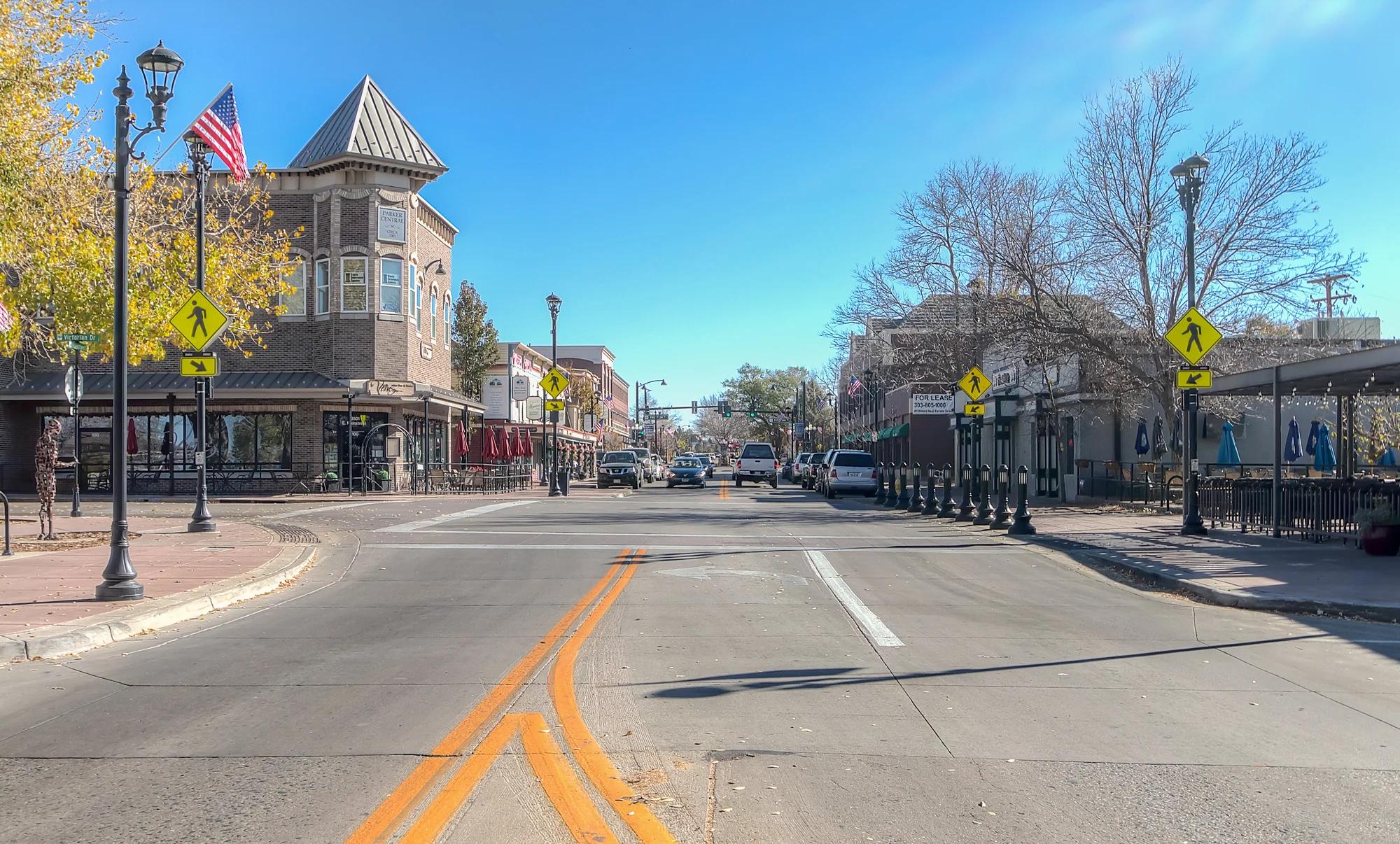
Photo of Main Street in Parker by Jeffrey Beall, licensed under CC BY 3.0
Parker has grown considerably from its rural beginnings, but it has held onto many of the qualities that give it a distinct sense of place. Its historic downtown, community events, trails and open spaces offer a hometown atmosphere, while newer neighborhoods and everyday conveniences make it part of the larger South Denver metro area.
If you are considering buying a home in Parker, here is a closer look at what it is like to live there—and what you should know before choosing a neighborhood.
A Town With Its Own Identity
Parker is approximately 20 miles southeast of Denver, but it does not feel like an extension of the city. Downtown Parker has local restaurants, shops, and gathering places along Main Street, as well as community events such as farmers' markets, wine walks, and seasonal celebrations.
The PACE Center brings live performances, art exhibits, classes and other cultural programming to the community. Discovery Park, located nearby, hosts summer concerts and becomes home to the Parker Ice Trail during the winter. These amenities give residents plenty to do close to home without always traveling into Denver.
Parks, Trails, and Open Space
Outdoor access is one of Parker’s most noticeable features. According to the Town of Parker, the community maintains 14 parks, 41 miles of concrete and soft-surface trails, and more than 1,100 acres of open space.
The trail system creates opportunities for walking, running, and biking throughout the community. Larger recreational facilities, neighborhood parks, and access to the Cherry Creek Trail add even more options. Depending on where you live, you may be able to reach a trail or park directly from your neighborhood.
Buyers who value outdoor access should look beyond a home’s distance from a park on a map. Ask whether the neighborhood has direct trail connections, how busy nearby recreational areas become, and who is responsible for maintaining adjacent open space.
A Wide Range of Neighborhoods and Homes
There is no single “Parker lifestyle.” Housing options range from established neighborhoods with mature landscaping to newer master-planned communities with pools, clubhouses, and extensive trail systems. Buyers can also find townhomes, condominiums, larger suburban properties, and homes with more land outside the town’s denser areas.
Some neighborhoods place residents close to downtown, while others offer newer construction or a little more room. Areas near major roads may make commuting easier, while homes farther east or south may offer a more spacious setting.
The right choice depends on how you want to live. Before focusing on a particular subdivision, think about your preferred home style, lot size, commute, recreational priorities, and tolerance for future development.
Schools and Community Resources
Parker is served primarily by the Douglas County School District, with multiple elementary, middle and high schools in the area. Charter and private-school options are also available.
School boundaries and enrollment policies can change, so buyers should verify current information directly with the district rather than relying solely on a listing description. Even buyers without school-age children may want to know which schools serve a property because school boundaries can matter for future resale.
Parker also offers recreation programs, sports facilities, arts classes, community events, and the Douglas County Libraries branch in downtown Parker. Exploring these resources can help buyers understand how a particular area might fit their day-to-day lives.
Commuting Requires Some Planning
Parker provides access to E-470, Parker Road and routes connecting to I-25, the Denver Tech Center and other employment areas. However, commute times can vary significantly depending on the neighborhood, time of day, and destination.
Before making an offer, test the drive during the hours you would normally be traveling. A neighborhood that looks close on a map may feel very different during peak traffic. Buyers who expect to use light rail should also consider the drive to the nearest station and their parking or transit options.
Growth Is Part of the Picture
Parker continues to grow, bringing new housing, businesses, roads and amenities. Growth can create more conveniences, but it can also affect traffic, views, and an area’s character over time.
If you are considering a home near vacant land, do not assume it will remain open. Ask about zoning, approved projects, and future development plans. A real estate agent familiar with the area can help you identify questions to ask, although development plans can always change.
HOAs and Metro Districts Vary
Many Parker-area neighborhoods have homeowners associations, metropolitan districts, or both. These organizations may support amenities and services, but they can also affect your monthly expenses and property taxes.
Before buying, review the HOA documents, fees, and rules carefully. Your lender and real estate agent can also help you understand how taxes and recurring community charges may affect the true monthly cost of a home. Two similarly priced homes in different neighborhoods can have noticeably different total payments.
Is Parker Right for You?
Parker may be a good fit if you want access to trails, community activities, and suburban amenities while maintaining some separation from central Denver. The key is finding the part of Parker that matches your priorities. A home near Mainstreet offers a different experience from one in a newer master-planned community or on a larger property outside the center of town.
If you are thinking about moving to Parker, I would be happy to help you compare neighborhoods, understand local market conditions, and find a home that fits the way you want to live. Contact me to begin your Parker home search.