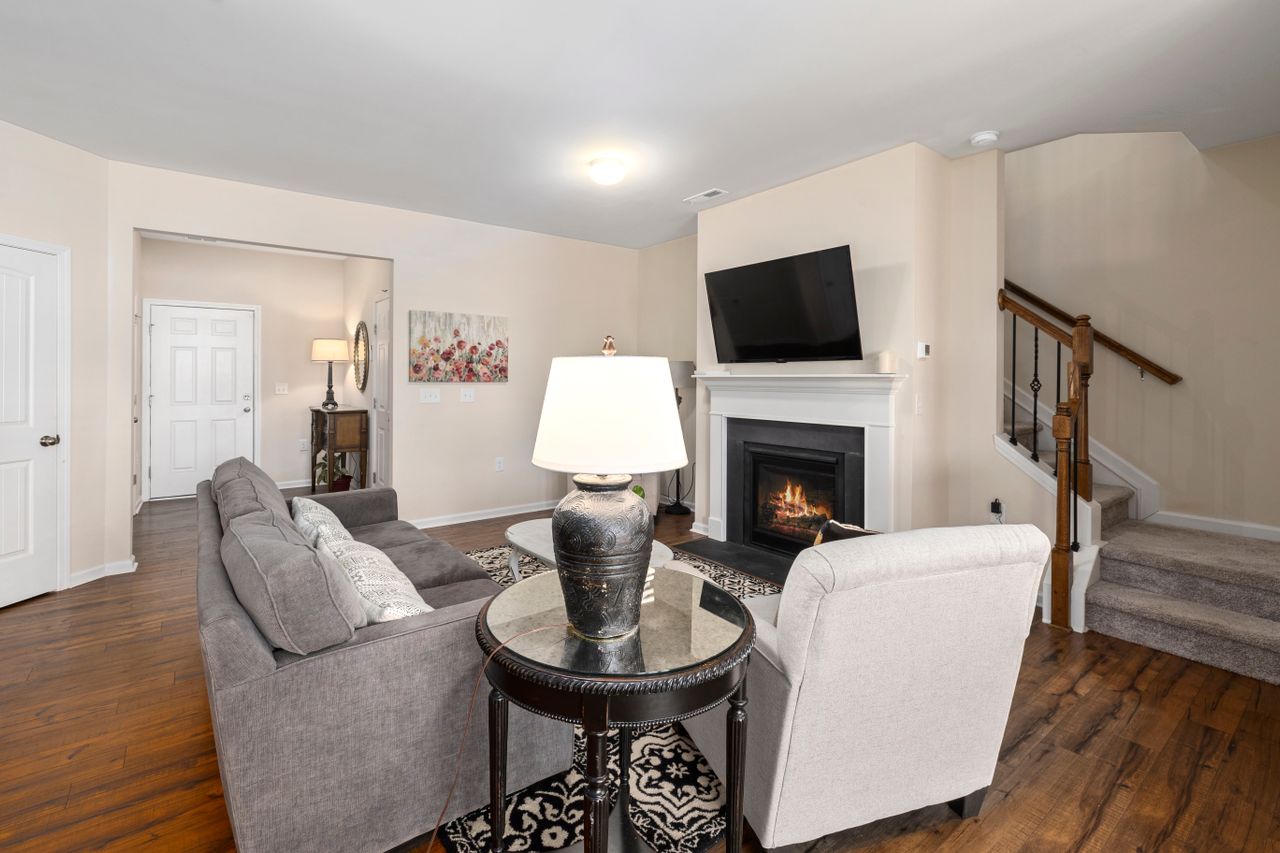
Touring homes can be one of the most exciting parts of buying a house. It is easy to fall in love with a beautifully renovated kitchen, a spacious primary suite, or a perfectly styled living room.
But paint colors and furniture can distract you from what will matter long after move-in day. As you tour homes, look beyond the décor and consider how well each property fits your lifestyle, priorities, and budget. Here are some of the most important things to evaluate during a showing.
Start With the Location
You can remodel a kitchen or replace flooring, but you cannot move the house to a different neighborhood. Before focusing on the home itself, consider its surroundings. How long would your commute be? Are the places you visit regularly nearby? Does the neighborhood offer the amenities, atmosphere and accessibility you want?
Pay attention to the home’s position within the neighborhood as well. A property on a busy road, near commercial activity or next to undeveloped land may feel different from one on a quiet interior street. If possible, visit the area at different times of day. Traffic, noise, and neighborhood activity may change considerably between a weekday morning and a weekend evening.
Think About the Floor Plan
A home can be beautifully updated and still have a layout that does not work for you. As you walk through each room, imagine your everyday routine. Consider questions such as:
- Is there enough space for everyone in the household?
- Is the kitchen positioned conveniently?
- Is there a suitable place to work from home?
- Are the bedrooms located where you would want them?
- Is there enough storage?
- Would the stairs or multiple levels create challenges?
- Is there room for pets, hobbies, or frequent guests?
Removing a wall or adding a bathroom may be possible, but those projects can be expensive. Make sure you understand which aspects of the floor plan you can comfortably live with and which would require significant changes.
Look Past Cosmetic Details
Bold paint colors, dated light fixtures, and worn carpet can make a home feel less appealing, but these are often relatively straightforward to change. Try to distinguish between cosmetic issues and larger concerns. An outdated bathroom may simply need new finishes. Water stains, uneven floors, persistent odors, or visible cracks, however, may deserve a closer look.
You do not need to diagnose problems during a showing. That is one reason a professional home inspection matters. Still, noticing potential concerns early can help you decide whether the property is worth pursuing.
Consider the Home’s Natural Light
Natural light can affect how a home feels throughout the day. Notice the number, size, and placement of the windows as well as the direction the home faces. A room that appears bright during an afternoon showing may be darker at other times. Trees, neighboring homes and covered patios can also affect the amount of sunlight the interior receives.
If natural light is important to you, consider whether the home’s existing lighting would be difficult to improve without substantial changes.
Evaluate Storage and Functional Space
Staging can make rooms appear larger and more functional than they may be once filled with your belongings. Open closets, cabinets, and pantries when appropriate. Look for linen storage, coat closets and space for seasonal items. Check whether the garage can accommodate your vehicles along with bikes, tools or outdoor equipment. Also consider the less glamorous but essential spaces. Where would you do laundry? Is there a convenient place to bring in groceries? Where would shoes, backpacks or pet supplies go?
These details may not create an immediate emotional reaction, but they can significantly affect daily life.
Identify Future Expenses
The purchase price is only one part of the cost of owning a home. During a showing, note features that may need attention soon, including the roof, windows, appliances, flooring, and exterior. Ask about the approximate ages of major systems such as the furnace, air conditioner and water heater. Older components aren't necessarily a reason to reject a home, but you should consider potential replacement costs when evaluating your budget.
Your real estate agent can help you request available information about the property and identify questions to answer before you decide.
Decide What You Can—and Cannot—Change
It helps to divide a home’s features into three categories:
- Things you can easily change, such as paint, fixtures and décor
- Things you can change with a larger investment, such as a kitchen, bathroom or finished basement
- Things you generally cannot change, such as the location, lot size and neighborhood
This perspective can keep a dated backsplash from overshadowing a home that otherwise fits your needs. It can also prevent beautiful staging from distracting you from a location or layout that is not right for you.
Give Yourself Time to Think
It is normal to feel an immediate connection to a home, but balance enthusiasm with careful evaluation. After each showing, make a few notes while the property is still fresh in your mind. What did you love? What concerned you? Which features met your priorities? Taking photos or videos may also help, with the seller’s permission.
Most importantly, return to the criteria you established before beginning your search. The right home does not have to be perfect. It should, however, support the way you want to live without requiring compromises you may later regret.
An experienced buyer’s agent can help you look beyond the surface, compare properties objectively and ask the right questions before you make an offer. If you are considering buying a home in Parker, Douglas County or the South Denver metro area, contact me to begin your search with a knowledgeable local advocate on your side.