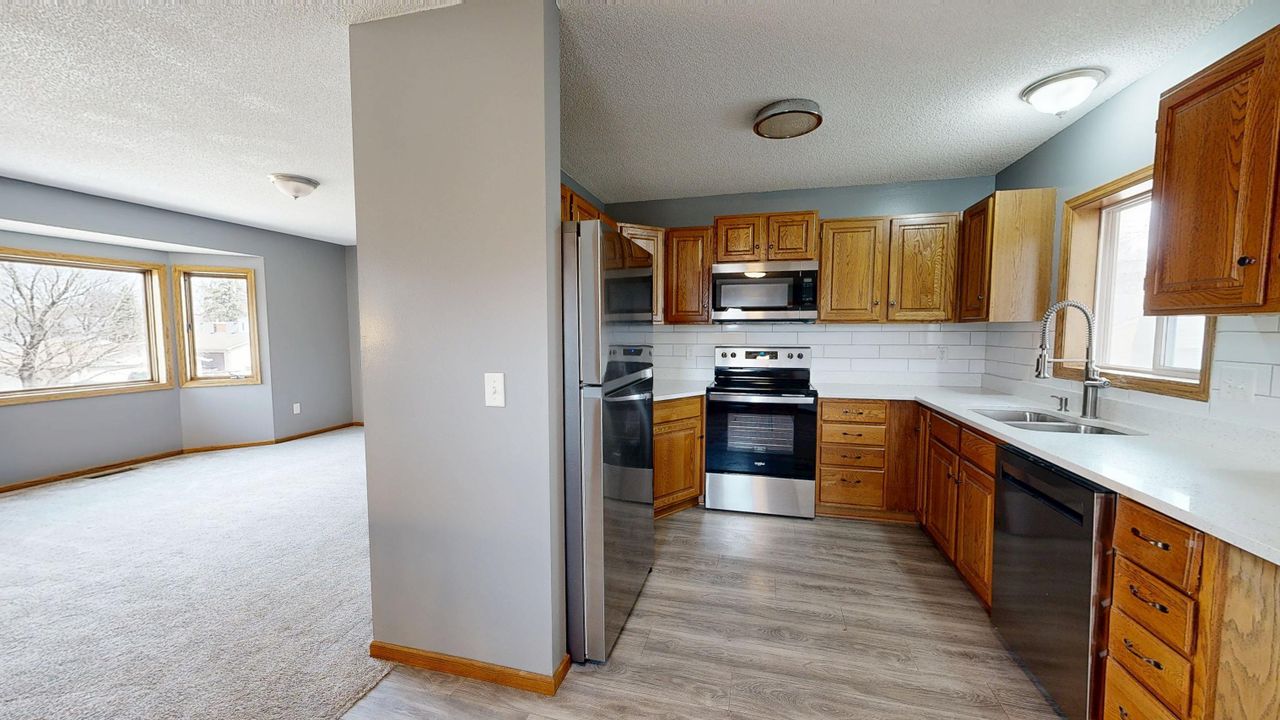
When you’re preparing to sell your home, it’s easy to look around and see a growing list of potential projects. The kitchen could use new countertops. The bathroom feels dated. The carpet has seen better days. Before long, you may be wondering whether you need to renovate the entire house before putting it on the market.
The answer depends on your home, your timeline, and what buyers expect in your local market. Some improvements can help a home show better and sell more easily. Others may cost more than they add to the final sales price.
Before starting a major project, consider these questions.
Is Something Actually Broken—or Simply Outdated?
Buyers generally respond differently to a home that needs repairs than one that is simply dated.
A worn but functional kitchen may not prevent a sale, especially if the home is priced appropriately. Active leaks, damaged flooring, broken appliances, or unfinished repairs are more likely to concern buyers. They may wonder whether the visible problem points to other maintenance issues.
Addressing necessary repairs can give buyers greater confidence in the home. Replacing perfectly usable features simply because they are no longer trendy may not offer the same return.
Will the Improvement Affect the Home’s First Impression?
You may not need a full renovation to make your home feel more inviting. Smaller, targeted updates can have a surprisingly significant effect.
Fresh neutral paint, updated light fixtures, clean flooring, modern cabinet hardware and refreshed landscaping can help a home appear brighter and better maintained. Deep cleaning and decluttering may also make rooms feel more spacious without requiring any construction. These improvements are usually less expensive and disruptive than a major remodel, making them worth considering when preparing to sell.
Will You Recover the Cost?
Renovations do not automatically add an equal amount to a home’s value. Spending $30,000 on a new kitchen, for example, doesn't guarantee the home will sell for $30,000 more.
Buyers also have different tastes. The finishes you choose may not be the ones they would have selected. In some cases, buyers would rather purchase the home at a lower price and renovate it to their own preferences.
Before investing in a large project, talk with a local real estate professional about comparable homes in your area. If renovated properties are selling for substantially more—and selling faster—the improvement may make sense. If the price difference is modest, you may be better off selling the home as-is.
How Will Renovating Affect Your Timeline?
Even a seemingly straightforward project can take longer than expected. Contractors may have limited availability, materials can be delayed, and one repair can uncover another problem.
If you need to sell quickly, a major renovation could postpone your listing and create unnecessary stress. You’ll also need to consider whether you want to live through the work or carry the costs of the home while it is being renovated.
Sellers with more time and flexibility may be able to complete strategic improvements before listing. Those on a tighter schedule may benefit from focusing on repairs, cleaning, and presentation instead.
What Will Buyers Expect at Your Price Point?
Buyer expectations vary by neighborhood, home style, and price range. In some markets, buyers expect updated, move-in-ready homes. In others, they may be comfortable taking on cosmetic projects in exchange for the right price.
The condition of competing homes matters, too. If most nearby listings have renovated kitchens and bathrooms, an outdated home may need to be priced accordingly. However, that does not necessarily mean you should renovate. A well-maintained home with good bones may still appeal to buyers who want the opportunity to personalize it.
Could a Credit Be a Better Option?
Sometimes it makes more sense to acknowledge an outdated or worn feature rather than replace it before listing. Depending on the circumstances, a seller may offer a credit or adjust the price so the buyer can complete the work after closing.
This approach can save the seller time and prevent spending money on finishes the buyer may not like. However, credits aren't appropriate for every repair, and lender requirements may affect what you can negotiate. Your real estate agent can help you evaluate the options.
Make the Decision With Your Market in Mind
The goal is not to make your home perfect. The goal is to prepare and position it so buyers recognize its value. For many sellers, the best strategy combines necessary repairs, careful cleaning, and a few high-impact cosmetic updates. A major renovation may be worthwhile in some situations, but it should be based on local market conditions—not the assumption that every improvement will produce a profit.
Thinking about selling your home in Parker or the South Denver area? Before investing in renovations, give me a call. I can help you identify which improvements may strengthen your sale—and which ones you can confidently leave for the next owner.